
Birmingham City Council is embarking on a monumental overhaul of its housing services, backed by a £3 billion, 10-year framework set to launch in July. This ambitious program is not merely a financial commitment; it represents a fundamental shift in how maintenance and investment are managed for the city’s approximately 60,000 council homes. Designed to be more responsive and tenant-focused, this initiative signals a new era of digital-first service delivery. This article will dissect the strategic components of this transformation, exploring the new contractual landscape, the technological innovations at its heart, and the long-term vision for a more efficient and resident-friendly housing system.
From Traditional Contracts to a Modernized Mandate
The decision to implement this new framework did not occur in a vacuum. It follows years of operating under contracts that, while functional, required a significant update to meet modern expectations for communication and service delivery. The previous model is now giving way to a structure built directly on tenant feedback and the need for greater transparency. The departure of Fortem, a contractor that serviced south Birmingham for 18 years, underscores the magnitude of this change. This strategic realignment is a clear acknowledgment that the future of public housing management lies in leveraging technology to build more flexible, accountable, and proactive partnerships.
Dissecting the £3 Billion Overhaul
A Strategic Realignment of Key Partnerships
A core element of the new framework is a significant shake-up of the city’s primary contractors. Wates has emerged as the dominant partner, securing two of the four regional lots—North and South—with a combined contract value of up to £1.75 billion. This move positions the company as a central player in the city’s housing future. Meanwhile, Equans will continue its work in the East region, providing a degree of continuity, while Mears steps in to manage the West Central area. This carefully curated selection of partners is designed to inject fresh perspectives and capabilities into the system, moving away from long-standing arrangements to foster a more competitive and innovative service environment.
Placing the Tenant Experience at the Digital Forefront
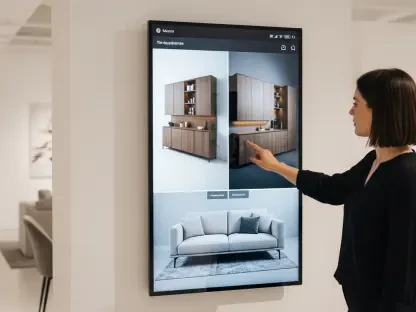
The most transformative aspect of this new model is its profound emphasis on digitalization. The council is introducing a fully digitized repairs journey, a change aimed squarely at improving the tenant experience. This system will provide residents with unprecedented clarity on work schedules, appointment times, and potential delays. Furthermore, it will simplify the process for rearranging visits, putting more control directly into the hands of tenants. By replacing opaque, phone-based systems with a transparent digital platform, the council aims to eliminate common frustrations and build greater trust between residents and service providers.
Beyond Reactive Repairs: A Proactive and Sustainable Approach
This technological upgrade extends far beyond managing day-to-day repairs. The new digital tools will be instrumental in monitoring home conditions more effectively, enabling a shift from a reactive to a proactive maintenance model. By collecting and analyzing data, the council can identify potential issues before they escalate, supporting targeted programs to improve energy efficiency and overall housing quality. This forward-thinking approach is not just about fixing problems as they arise but about making properties warmer, more cost-effective to heat, and ensuring continued investment in major improvements like kitchen and bathroom replacements.
Charting the Future of Public Housing Management
The framework’s 10-year term, with an option for a five-year extension, signals a long-term commitment to this integrated, tech-driven strategy. As this model matures, the data collected will become an invaluable asset, allowing for predictive analytics that can anticipate maintenance needs and optimize resource allocation across the city. This initiative could set a new national standard for large-scale public housing management, demonstrating how strategic investment in digital infrastructure can yield significant returns in operational efficiency and resident satisfaction. The success of Birmingham’s program will likely influence how other local authorities approach their own housing challenges in the coming decade.
Key Takeaways and Strategic Implications
The primary takeaway from Birmingham’s £3 billion initiative is the strategic pivot toward a tenant-centric, digitally-enabled service model. For residents, this promises greater transparency, convenience, and control over their housing maintenance. For the contractors involved, it demands an embrace of new technologies and a commitment to higher standards of communication. For the wider public housing sector, it serves as a powerful case study in leveraging large-scale investment to modernize legacy systems. The key to success will lie in the seamless execution of this digital journey and the ability to translate data into tangible improvements in home quality and tenant well-being.
A Blueprint for 21st-Century Council Housing
In conclusion, Birmingham’s £3 billion housing framework is far more than a renewal of maintenance contracts; it is a comprehensive blueprint for the future of public housing. By integrating strategic partnerships with a robust digital platform, the city is tackling long-standing issues of communication and efficiency head-on. This initiative’s focus on proactive maintenance, energy efficiency, and an enhanced tenant experience highlights a modern vision for what council housing can and should be. As this ambitious program rolls out, it stands as a decisive move to build a more responsive, sustainable, and digitally connected future for tens of thousands of homes.