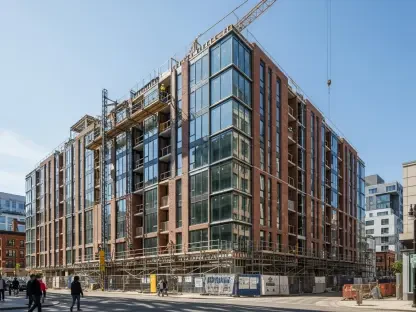
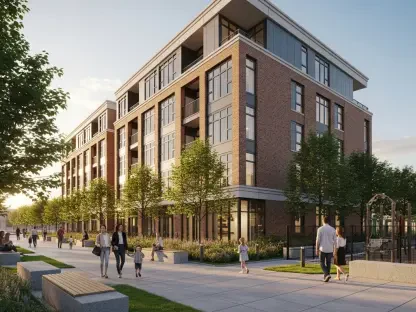
In a direct and decisive response to the critical housing shortage affecting its personnel, 19 Wing Comox has completed the purchase of a 52-unit apartment building in downtown Courtenay, a move that underscores a significant shift in military accommodation strategy. The $19.1 million acquisition of the property at 574 Cumberland Rd. provides an immediate and tangible solution to a problem that has left military accommodations at full capacity with persistent waitlists for service members and their families. This strategic purchase bypasses the protracted timelines and complexities associated with new construction projects, offering a timely resolution that will see Canadian Armed Forces (CAF) members begin to occupy the units in early 2026. The building’s mix of residential units, ground-floor office space, and underground parking presents a versatile asset that will help alleviate the strain on the local housing market while ensuring that the base can support its community. This action is not merely a stopgap but a foundational element of a larger, forward-thinking plan to manage substantial growth.
A Proactive Strategy for Military Growth
The acquisition of the Courtenay apartment building is fundamentally a proactive measure designed to prepare 19 Wing Comox for an unprecedented decade of expansion. The base is slated to receive over 600 additional regular force members as part of a major operational growth initiative, which is backed by more than $1.5 billion in federal infrastructure investments. Without adequate housing, such an expansion would be untenable, placing immense pressure on both the personnel and the surrounding community’s housing supply. This purchase directly addresses that challenge head-on. The property’s diverse range of housing options, from compact “micro-suites” suitable for single members to larger two-bedroom apartments for families, ensures that the varying needs of the incoming personnel can be met. By securing this property now, 19 Wing Comox ensures that housing availability will keep pace with its operational requirements, fostering a stable and supportive environment for the service members who are essential to the base’s mission and Canada’s national security.
Streamlining National Defense Initiatives
This innovative solution was championed by 19 Wing Commander Col. Chris Shapka, who described the purchase as a “creative, local, and immediate solution” that aligns housing capacity with the base’s strategic growth. The success of this acquisition points to a broader, more agile approach being adopted by the Department of National Defense (DND). According to Associate Minister of National Defense Jill McKnight, this is the second such purchase, following a similar initiative in Esquimalt, to utilize a newly developed, streamlined process. This multi-departmental approach has proven remarkably effective, drastically reducing the typical acquisition timeline from one to two years down to approximately 12 weeks. Such efficiency allows the military to be far more responsive to dynamic real estate markets and the urgent housing needs of its members. This new model demonstrates a significant evolution in DND policy, moving toward faster, more pragmatic solutions that can be replicated at other bases facing similar accommodation crises across the country.
A New Blueprint for Military Housing
The purchase of the Courtenay property marked a pivotal success in addressing the housing challenges faced by Canadian Armed Forces personnel. This strategic acquisition provided a tangible and immediate solution, demonstrating that direct engagement with the local real estate market was a viable and highly effective alternative to lengthy construction cycles. The streamlined, multi-departmental approval process, which condensed a timeline of years into a matter of weeks, established a powerful precedent. This innovative approach offered a replicable blueprint that could be adopted by other military installations across Canada grappling with similar housing shortages. The successful outcome in Comox was not merely about securing a building; it was about solidifying a new, agile strategy that directly supported the well-being and operational readiness of service members by ensuring they had access to stable, high-quality housing. This action affirmed that providing for personnel was a critical component of maintaining a strong and effective national defense.