

The integration of multidisciplinary design tools ensures better coordination during the construction phase, effectively reducing errors that typically arise from fragmented software ecosystems. Graphisoft recently unveiled its 2026 product portfolio, marking a pivotal moment in the company’s

The structural and social barriers to data sharing in civil engineering remain significantly higher than those found in the manufacturing sector. This disparity persists even as the built environment moves into an era where project complexity frequently outpaces traditional management methods,

A historic gap in trade school enrollment during the post-GFC decade has left the modern housing market without enough senior site supervisors and lead plumbers. The United States residential construction sector is currently navigating a pivotal shift as the period of declining building costs

Tatjana Dzambazova, the former Revit team lead, now directs AI solutions at Motif with the goal of automating the mechanical aspects of modeling. This strategic movement follows the company’s official emergence from stealth mode, supported by a substantial forty-six million dollars in funding to
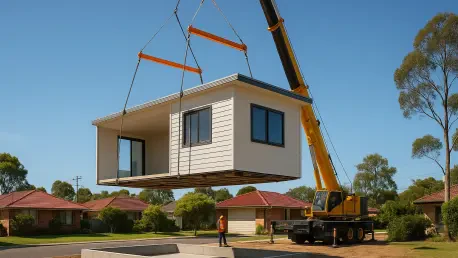
Strategic cooperation between lenders and builders is essential to ensure that the regulatory environment remains fit for the purpose of large-scale offsite construction. As the Australian government pushes toward the delivery of 1.2 million new dwellings by the middle of 2029, the traditional

As the skyline of Singapore continues its relentless ascent, the boots on the ground are increasingly being replaced by tracks and sensors, signaling a fundamental shift in how the city-state builds its future. The lack of after-sales support from international manufacturers often leaves